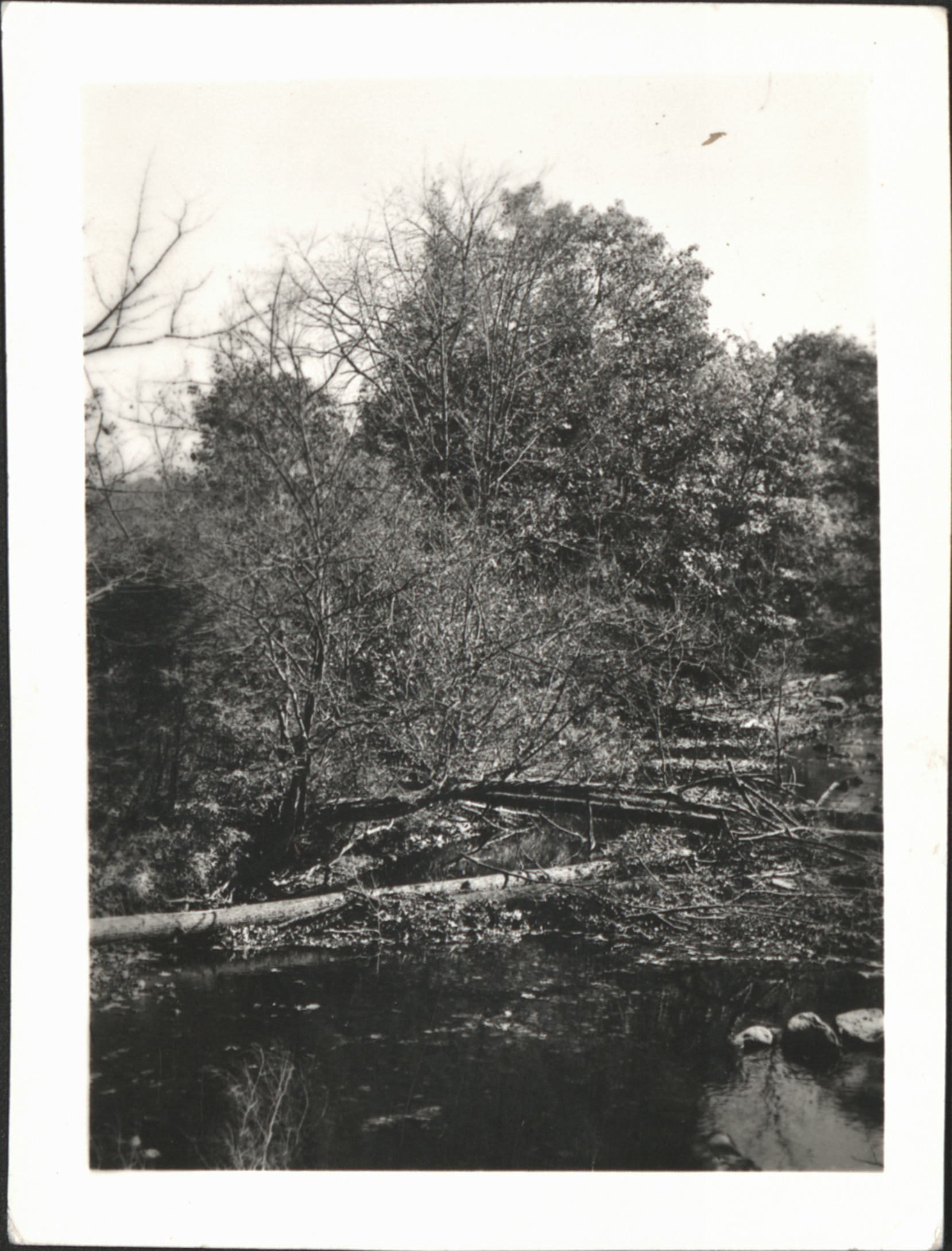
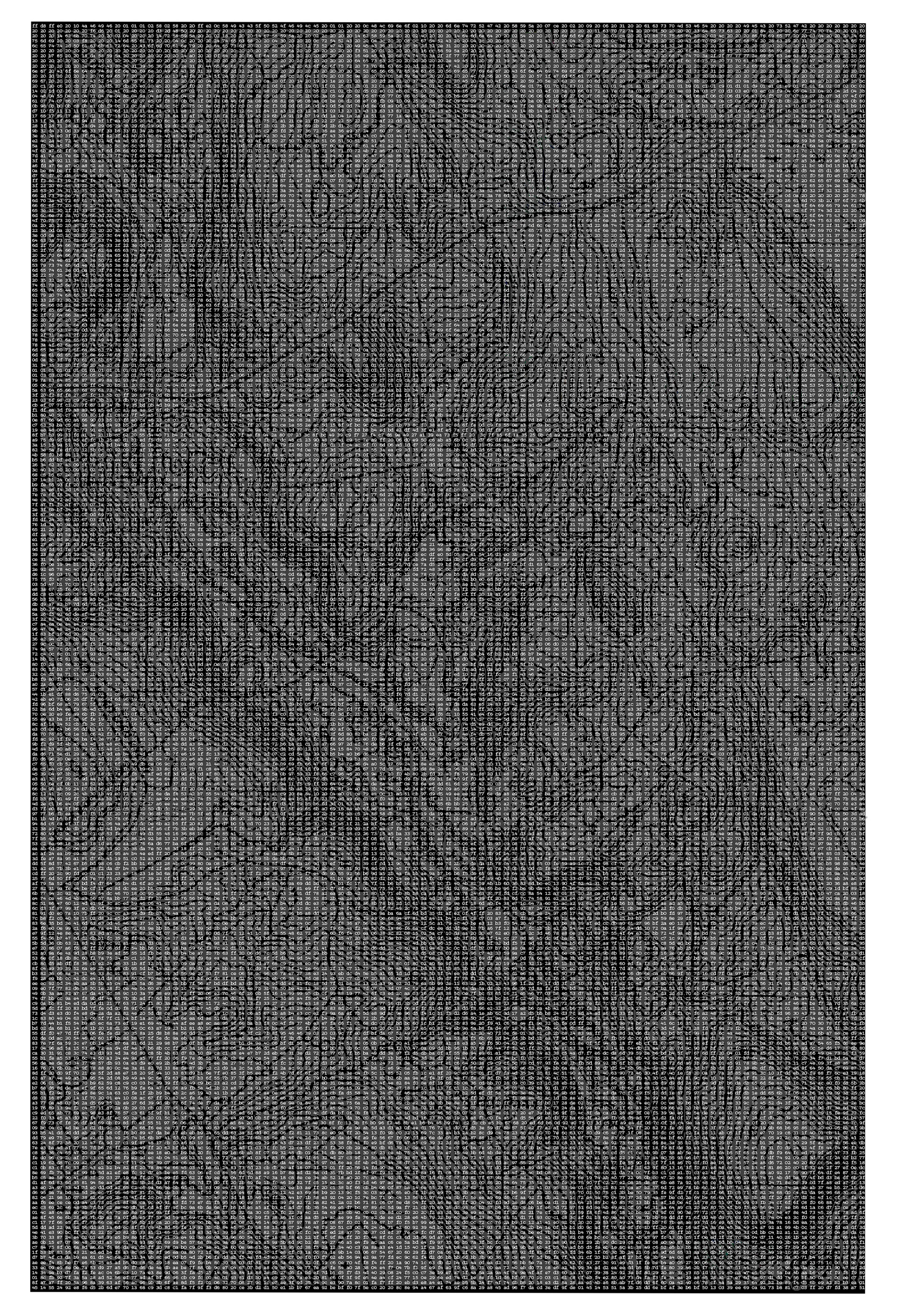
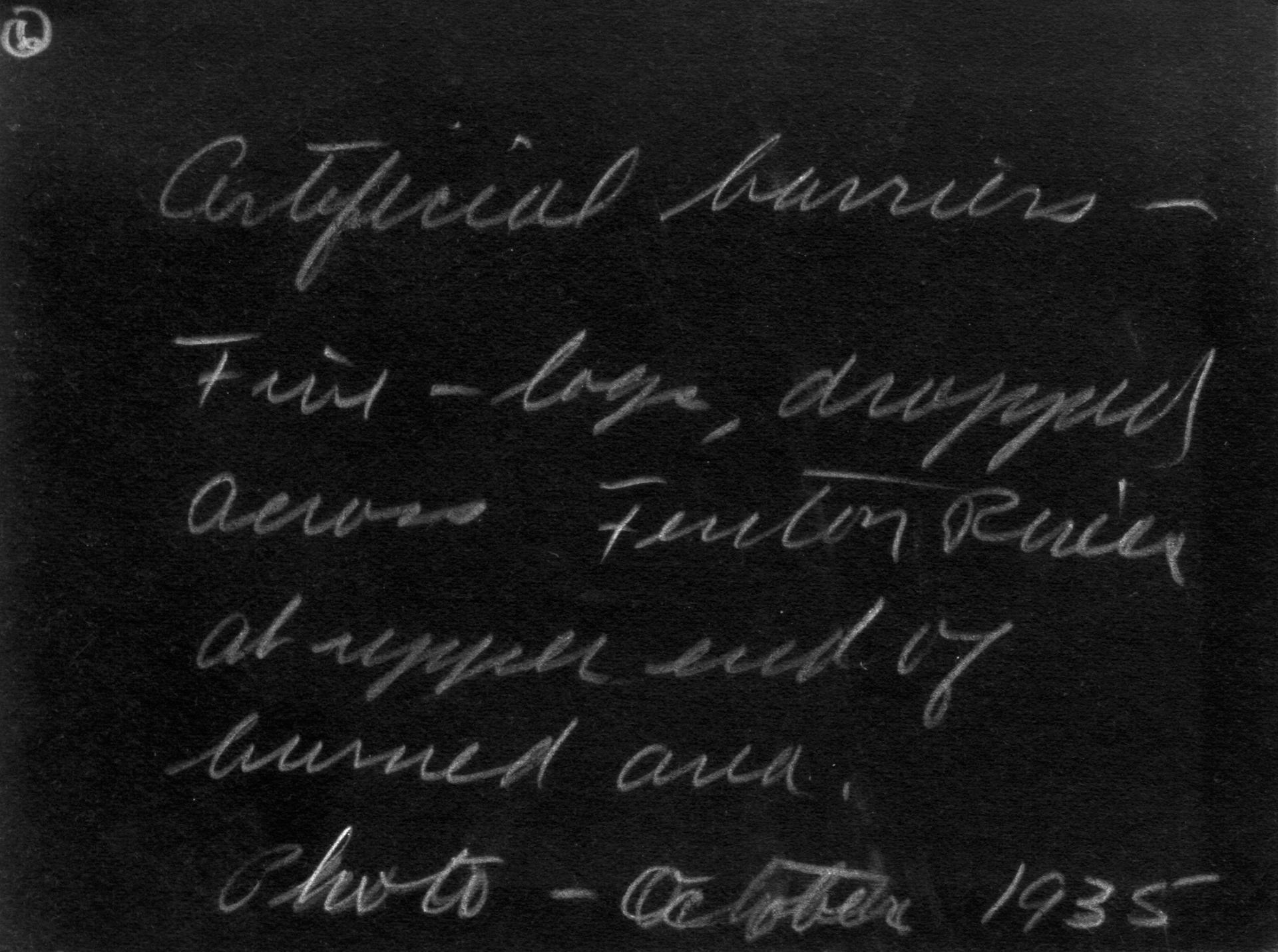
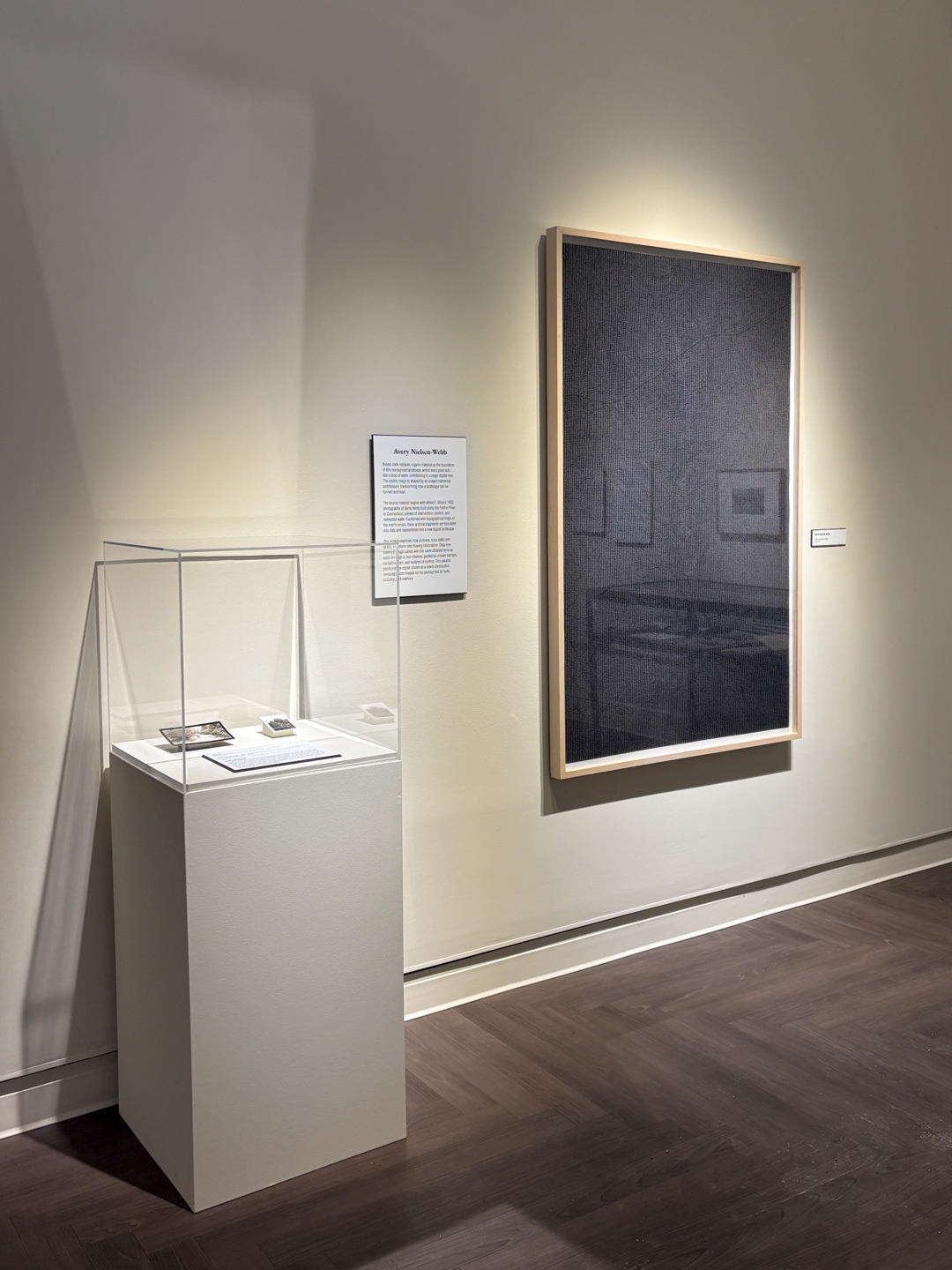
Binary code replaces organic material as the foundation of this reimagined landscape, where every pixel acts like a drop of water contributing to a larger digital river. The visible image is shaped by an unseen numerical architecture, transforming how a landscape can be formed and read. The source material begins with Alfred E. Moss’s 1935 photographs of dams being built along the Fenton River in Connecticut, scenes of intervention, control, and redirected water. Combined with topographical maps of the river’s terrain, these archival fragments are translated into data and reassembled into a new digital landscape. The project examines how archives, once static and tactile, transform into flowing information. Data now travels through cables with the same directed force as water through a river channel, guided by unseen barriers, infrastructures, and systems of control. This parallel positions the digital stream as a newly constructed landscape, one shaped not by geology but by code, circuitry, and memory.